Robot 2.0, the sequel to Robot, stars Rajnikanth and Akshay Kumar in lead roles. The movie undoubtedly has a unique and novel concept. It is perhaps one of the only mainstream Bollywood films which is based on a cause related to the well-being of non-human animals. It boldly puts forward the controversial opinion that the life of an animal of a different species has the same value as that of a human, and that concern for other species of animals is a moral obligation for humans. It depicts (a part of) the animal kingdom seeking vengeance for its sufferings, inflicted by humans. However, the film ends up taking a course that ridicules its own initial theme and trivializes the cause it began with, thus proving a victory for human selfishness and cruelty, and a loss for the cause of animal rights.
Given that current technology has been unable to produce artificial intelligence matching the level of sophistication found in the film’s robot character Chitti, the movie may safely be called a science fiction. It is, however, a lot more than that. It tries to capture a wide range of contrasting ideas: good versus evil, right versus wrong, empathy versus indifference, genius versus ignorance, callous greed versus unconditional love.
The first half of the film comes across purely as the wrathful revenge of downtrodden and wronged animals (here, the birds who have lost their lives due to cell phone tower radiations). Greedy humans in power who have been responsible for illegal radiation violations, for large-scale mobile phone sale, etc. are shown to die gory deaths at the hands of thousands of mobile phones now animated with lives. The cell phones of everyone in the city mysteriously fly away by themselves, leaving the entire city in utter panic. The second half begins with the revelation of the cause of this chaos, the spirit of Pakshirajan, played by Akshay Kumar.
The character of Pakshirajan is perhaps the most bold and unforgiving that Bollywood has seen when it comes to talking about animal rights. In a flashback, the life of Pakshirajan unfolds, revealing him to be a respectable and empathetic ornithologist and activist who wanted to stop the death of birds, by regulating mobile tower radiation emissions as per laws, and reducing mobile phone usage by the public. However, Pakshirajan meets the ugly reality of humans: evil leaders and selfish, indifferent commoners. While politicians and capitalists manipulate their way out of legal trouble, the public does not show more than a passing fake sympathy for the plight of dying birds, and refuses to change their ways. Nobody listens to Pakshirajan, and he is left with the agony of seeing his beloved birds die horrific deaths before his eyes. Having tried everything, he loses all hope and commits suicide. His spirit later returns, wanting to avenge these innocent deaths.
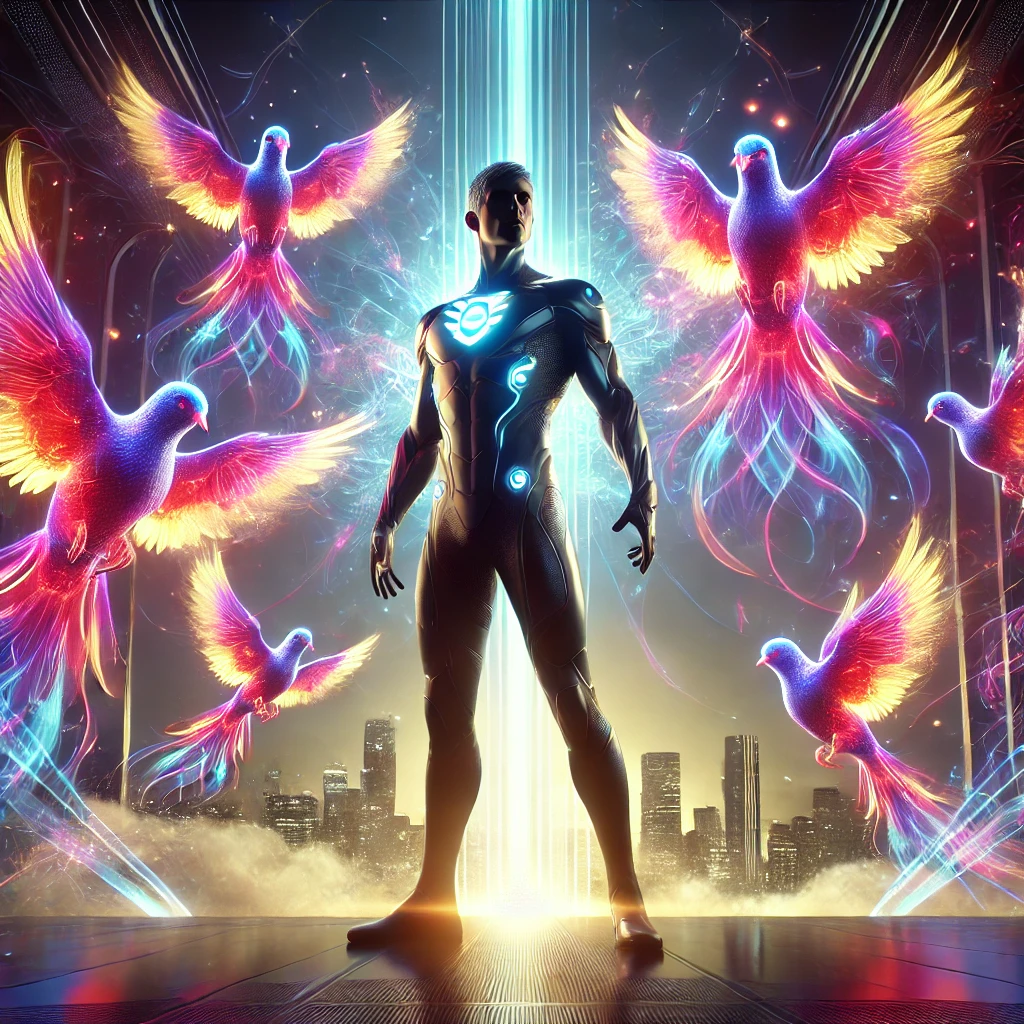
The flashback on Pakshi Rajan’s life is undoubtedly the most, and perhaps only, beautiful part of the film. Akshay Kumar pulls off all the intense emotions of anger, anguish, pain, and helplessness that an animal rights activist goes through in the real world, which is equally indifferent to animals’ suffering. His character openly says that a non-human animal’s life has the same value as a human’s, and that every being has equal right to a safe life on the planet. Another novel and bold move by this character is shaming the eating of animals as directly hurting them and wrong. (Though this is obvious, it is seldom acknowledged in reality.) It is rather surprising how well the movie brings out the plight of a noble activist trying to fight humanity’s greed and selfishness, and his frustration on constantly failing. On facing indifference and ridicule everywhere, Pakshi Rajan’s care and love are forced to the dark side, and turn into his spirit’s thirst for revenge and bloodshed, after his death.
At first, his blood-thirst and spirit of vengeance come across as extremely powerful, and even justified. He rightfully represents the wrath of Mother Nature against the selfish and greedy recklessness of humankind. Pakshi Rajan still represents a critical issue, and is thus not a villain. However, just when the strong revelation about Pakshi Rajan’s life is about to compensate for the unpleasantness of the first part of the movie, the plot derails completely. After a brief jolt to the conscience of the audience, the film restores the order of human supremacy by taking the side of the city-dwellers and villainizing Pakshi Rajan to a ridiculous extent.
The new avatar of Pakshi Rajan, in fact, accurately depicts the real-world vilification of activists and other people who speak up against oppression. The convenient painting of his character as a completely insane extremist, hellbent on taking innocent lives, is reflective of the state of affairs in the real world, particularly in the case of animal activists. The tendency to hate anyone who shows humanity its ugly reality plays into the film plot in the second half.
While Pakshi Rajan was harmless, he was loved and admired. However, his spirit, which is immensely powerful and capable of damage, though it holds the same ideology, is hated and feared. The spirit that wishes to avenge injustice is consistently called “negative” and treated as evil. The virtuous ideas of Pakshi Rajan when he was a harmless activist in the first half of the film, are used to characterize evil in the second half. While the hero in the first half is seen speaking about saving birds, this job is done by the “villain” in the second.
By villainizing Pakshi Rajan into an unrealistically crazy and dangerous criminal, the film conveniently lifts a huge part of the guilt it earlier placed on the audience. Pakshi Rajan’s earlier words are nullified by his ugly transformation. They, in fact, seem to have the opposite effect. Fighting against Pakshi Rajan towards the end, Chitti repeatedly mocks him particularly for his care for birds.
He trivializes the lives and deaths of birds and uses them as instruments in the fight against Pakshi Rajan. He threatens to wring and twist the necks of hundreds of pigeons if Pakshi Rajan killed the humans present in the place. This mockery established that despite all the dialogues presented before, nobody involved in the making of the film indeed did believe in the equal worth of a non-human animal’s life. Rather, the film merely cashes on its unique and supposedly noble cause and then makes mockery out of the same cause and throws it out of sight. In conclusion, while Robot 2.0 sets out to represent an animal-related issue, it fails miserably and falls back into the black hole of human supremacy, ego, and greed.